
User Emotions Considered in Aviator Game for UK
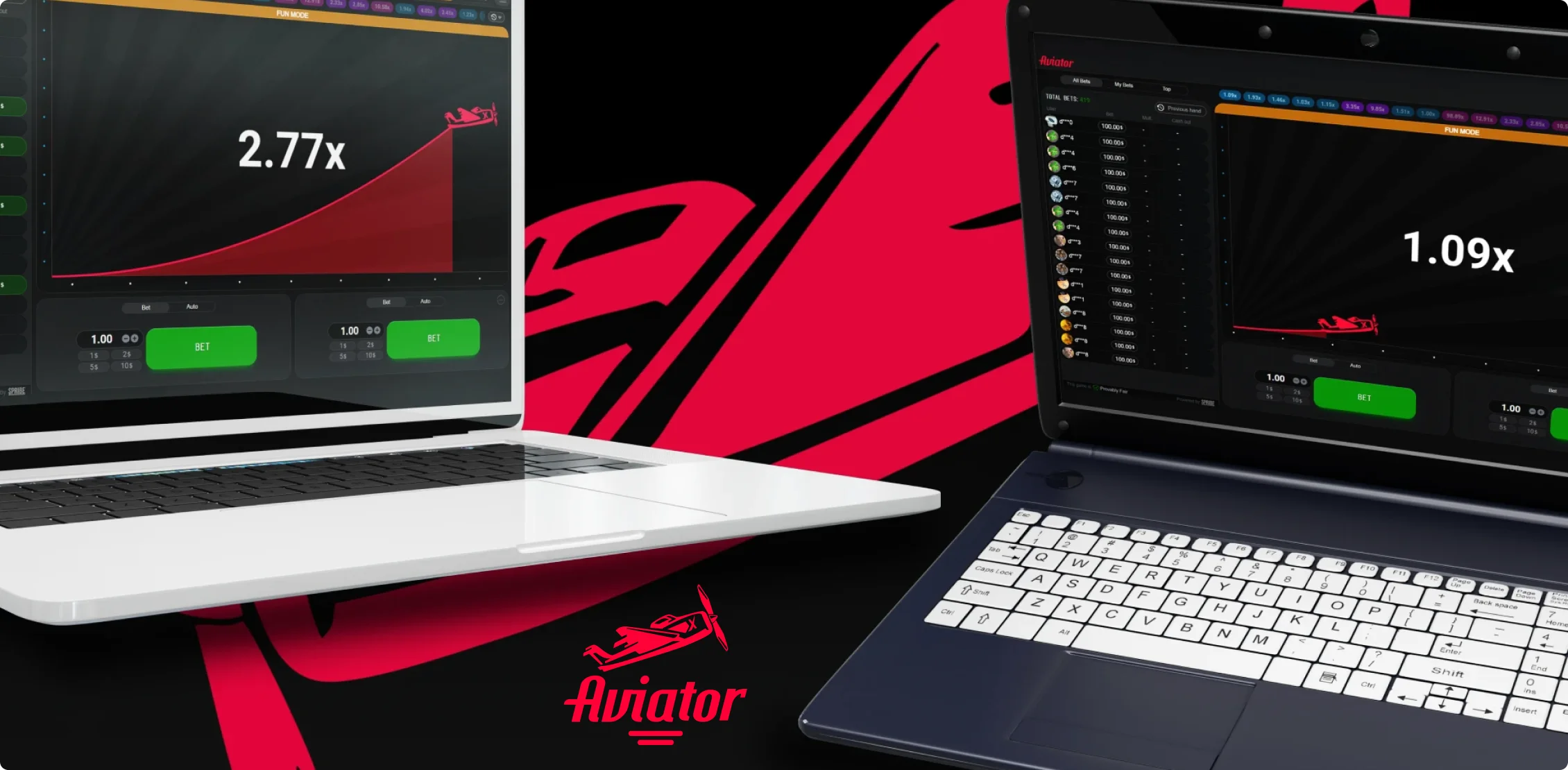
In the Aviator game, https://aviator-play.eu/, your feelings play a vital role in shaping your gaming experience. As you navigate wins and losses, the game cleverly taps into your excitement and expectation, balancing these feelings with manageable frustrations. This approach not only keeps you involved but encourages interaction with fellow players. Curious about how these emotional elements come into play and impact your overall enjoyment? Let’s explore the intricacies further.
Key Takeaways
- Emotions like excitement and expectation are integral in enhancing player investment and involvement in the Aviator game.
- Community interaction fosters friendships and shared emotional experiences, increasing pleasure and satisfaction among players in the UK.
- Celebrating victories creates memorable moments, encouraging players to return to the game for continued engagement.
- Balancing frustration with rewarding achievements helps maintain player motivation and prolong gameplay experiences.
- Future trends in game design will further customize experiences based on players’ emotional responses for enhanced satisfaction.
The Role of Emotions in Gaming Experience
Emotions significantly shape your gaming experience, influencing how you interact with games like Aviator. When you’re excited about a game, your heart races, and you’re more likely to take risks and explore new strategies. Conversely, frustration can lead to hesitance or withdrawal, impacting your gameplay.
Positive emotions enhance your focus, allowing you to absorb game mechanics deeply and participate actively in challenges. When you celebrate successes, those emotions create enduring memories that make you want to play more.
On the flip side, negative emotions can create barriers, affecting choices and enjoyment. Recognizing these emotional dynamics is crucial; they guide your interactions and ultimately determine your overall satisfaction with Aviator and games alike.
Understanding Players’ Emotional Responses
When you immerse yourself in the Aviator game, your reactions to various outcomes can reveal a lot about your emotional state. Each win might spark a rush of excitement, while losses can trigger irritation or disappointment.
You may feel thrilled as your virtual plane soars, yet anxious when it dips. These emotional highs and lows not only influence your gameplay but also shape your overall experience.
Understanding these reactions helps you connect more deeply with the game. For instance, if you notice a pattern of anxiety, you might adjust your strategy or take breaks.
Key Emotions Influencing Aviator Game Design
Key emotions play a crucial role in shaping the design of the Aviator game, directly influencing how you engage with its mechanics. By understanding these emotions, developers can create a more engaging experience for you.
Here are the key emotions that drive the game’s design:
- Excitement
- Anticipation
- Frustration
- Satisfaction
These emotions shape your experience, ensuring the Aviator game remains engrossing and enjoyable.
Techniques for Tracking Player Emotions
Tracking player emotions can significantly enhance your gameplay experience in Aviator.
You’ll find that methods like emotional detection technology, biometric analysis, and gameplay behavior tracking provide valuable insights into how you feel while playing.
Understanding these methods can help developers create a more engaging and adaptive environment tailored to your emotions.
Emotion Recognition Technology
As you dive in the Aviator game, emotion recognition technology plays a crucial role in improving your gaming experience. This technology uses various methods to gauge your emotional responses, making gameplay more captivating and personalized.
Here are a few ways it works:
- Facial Recognition
- Voice Analysis
- Gameplay Patterns
- Social Feedback

With these methods, the Aviator game fine-tunes your experience, ensuring it resonates with your feelings, making every moment more meaningful.
Biometric Data Analysis
Building on the insights provided by emotion recognition technology, biometric data analysis takes emotion tracking a step further. This technique involves collecting data like heart rate, skin temperature, and facial muscle activity to gauge your emotional state while playing.
By tracking these physiological alterations, developers can craft a more interactive gaming experience tailored to your emotions. For instance, if your heart rate rises during exciting moments, the game can adjust difficulty or offer calming graphics to help you regain focus.
Understanding these emotional indicators not only enhances engagement but also helps perfect game mechanics that resonate with players. Ultimately, embedding biometric data analysis provides a strong way to tailor gameplay, enhancing your overall satisfaction and experience.
In-Game Behavioral Monitoring
While players engage themselves in the Aviator game, understanding their emotions is essential for creating a engaging experience.
In-game behavioral monitoring methods help observe how you feel during gameplay. By employing diverse strategies, game developers can adapt the experience to boost enjoyment.
Here are some essential techniques:
- Real-time Feedback
- Emotion Detection Algorithms
- Player Surveys
- Social Interactions
These methods build a deeper connection, ensuring the Aviator game aligns with you on an emotional level.
Enhancing Gameplay Through Emotional Engagement
To enhance your gameplay experience in Aviator, emotional connections play a crucial role.
Feeling the excitement and anticipation as you engage keeps you involved, while encouraging interactions within the community contributes another layer of enjoyment.
Let’s investigate how these elements come together to create a more engaging environment for you.
Building Emotional Connections
Emotional connections in gaming often enhance the overall encounter, allowing players to immerse themselves more fully in the Aviator game. By engaging with your feelings, the game can create enduring memories and a deeper sense of connection.
Here are several ways emotional involvement can be built:
- Relatable Characters
- Personal Achievements
- Community Interaction
- Visual and Audio Effects
These elements work together to not only make the game pleasurable but also unforgettable, leading to a fulfilling gaming experience.
Stimulating Thrill and Anticipation
As the game progresses, the thrill of uncertainty keeps you on the edge of your seat, heightening your anticipation with each moment. Every decision you make influences the outcome, making each round feel exhilarating.
As you strategize and place your bets, you can’t help but feel an adrenaline rush flowing in your veins. The dynamic gameplay keeps you involved, as unexpected twists and turns create a rollercoaster of emotions.
You’re not just watching; you’re engulfed in a world where each win feels significant, and losses spark a fervor to try again. This emotional engagement transforms your experience, allowing you to savor the highs and lows, and making each session a thrilling adventure that you can’t wait to experience again.
Fostering Community Interaction
While diving into the Aviator game, you quickly understand that the shared excitement with fellow players amplifies your experience. Interacting with others not only increases your enjoyment, but it also cultivates a sense of community.
Participate in chat, rejoice in wins, and form connections that extend beyond the screen.
Here are some ways community interaction improves gameplay:
- Real-time communication
- Celebrating milestones
- Competing together
- Creating friendships
Case Studies: Successful UK Aviator Games
When exploring successful UK aviator games, it’s evident that captivating gameplay and innovative features are essential in attracting players.
For instance, one notable game incorporates real-time weather changes, offering a dynamic experience that engages gamers. Players can modify their strategies based on these variables, increasing immersion.
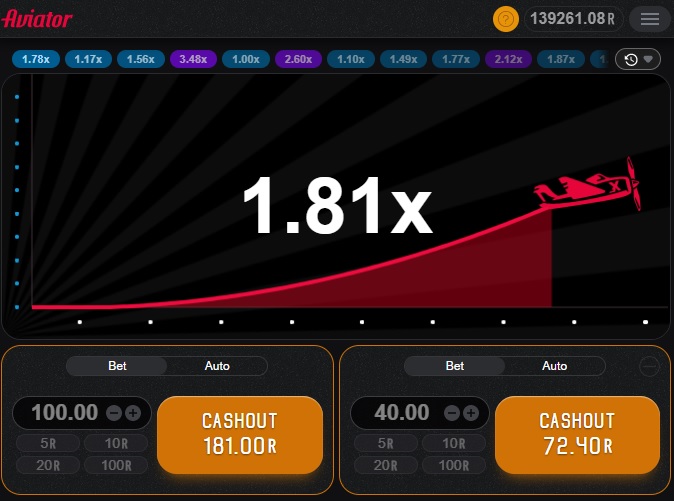
Another instance offers customizable aircraft, enabling users to personalize their gaming experience and emotionally invest in their creations.
Additionally, top UK games often include a leaderboard system that fosters competition among friends, driving engagement and social interaction. Players feel a sense of achievement as they climb the ranks, fueling their passion for the game.
These aspects play a major role to player satisfaction, making these aviator games popular and successful in the UK market.
Future Trends in Emotion-Responsive Game Design
Emotion-responsive game design is set to revolutionize the gaming landscape, offering players with experiences that connect on a more profound level.
As we move ahead, you’ll observe a few important patterns shaping this development:
- AI-Driven Personalization
- Biometric Integrations
- Narrative Flexibility
- Social Connections
These patterns will create engaging experiences that enhance your emotional connection with games.
Frequently Asked Questions
How Do Developers Incorporate Emotions Into Game Mechanics?
Developers incorporate emotions into game mechanics by using immersive storytelling, flexible challenges, and feedback systems. These elements create tension and excitement, enhancing your attachment to the game and rendering your experience more captivating and unforgettable.
What Software Tools Are Used to Analyze Player Emotions?
You might use tools like Affectiva for facial expression analysis, Unity Analytics for behavior tracking, or sentiment analysis software to assess player feedback. These tools assist developers gauge and enhance player emotional experiences efficiently.
Are There Ethical Concerns With Using Player Emotions in Gaming?
Yes, there are ethical concerns with using player emotions in gaming. You might doubt consent, manipulation, and transparency. It’s vital to ensure that emotional data enhances the encounter without exploiting or harming players.
How Do Emotions Affect Game Monetization Strategies?
Feelings significantly influence game monetization approaches; they drive player involvement and spending. When you feel excited or engaged, you’re more likely to make in-game purchases, enhancing revenue through targeted emotional appeals and immersive experiences.
Can Emotional Engagement Lead to Addiction in Players?
Yes, emotional engagement can lead to addiction in players. When you feel a strong connection with a game, your brain releases dopamine, reinforcing repetitive behaviors and making it hard to resist playing again.
Conclusion
In the Aviator game, you experience a unique emotional journey that improves your gameplay. By understanding and responding to your feelings—like excitement, anticipation, and even frustration—the game keeps you involved and invested. As you celebrate wins with fellow players, you’re building a sense of community that deepens your connection to the game. With the continued evolution of emotion-responsive design, your gaming experiences are only going to get better, more immersive, and even more rewarding.